Bandpass Design The Dresden Table: What Does It Actually Do?
A board game dining table sounds like the sort of thing you buy after one too many nights of balancing cards on a dinner plate. But what does The Dresden from Bandpass Design actually do—and is it useful when your dining room turns into a game night, football watch party, or Thanksgiving-week https://beerconnoisseur.com/host-holiday-game-night-without-taking-over-house/ command center?

In plain terms, The Dresden is designed to do double duty: serve as a dining table and provide a dedicated surface for tabletop games. Its central idea is a recessed vault—a lower play area set inside the tabletop—combined with detachable leaves that can cover the vault when you want a more conventional table surface. That setup can help keep an in-progress game in place while the room shifts back toward eating, visiting, or serving snacks.
That’s the promise, anyway. A table cannot stop someone from setting a sweating beer directly beside the board, and it won’t teach your cousin the rules before kickoff. But a thoughtfully planned table can make hosting smoother. Here’s what the Dresden-style design is meant to do, what to consider before buying, and how I’d use it for the kind of game-and-football gathering where the house still needs to survive the evening.
The Short Version: A Dining Table With a Game Space Inside
Most people play games on a flat dining table. That works fine until dinner plates, drinks, score sheets, and game components all compete for the same few inches. The recessed vault changes the arrangement: the play area sits below the surrounding tabletop, giving the game its own defined space.
Depending on the table’s configuration, detachable leaves can cover that recessed area. The practical idea is simple: uncover the play surface when it’s game time, and cover it when you need a more ordinary tabletop. Exact dimensions, materials, leaf storage, accessories, and available options can vary, so check the current Bandpass Design specifications for the version you’re considering rather than assuming every build includes the same details.
Design feature What it’s intended to do What to check Recessed vault Creates a dedicated play area below the table’s top edge Usable interior dimensions, depth, and whether your usual games fit Detachable leaves Cover the vault so the table can serve other everyday purposes How leaves are removed, stored, and supported Solid wood look Offers a furniture-forward appearance for a dining room or hosting space Actual materials, finish, care instructions, and customization choicesWhat the Recessed Vault Actually Adds
A Defined Place for the Game
On a regular tabletop, the game and everything around it live on the same level. The vault creates a clear boundary. Game boards, cards, and components sit in the lower play area, while the raised perimeter can give players somewhere to rest an elbow or set down a reference sheet. That separation is useful when the table is doing more than one job over the course of an evening.
It also offers a little protection from the everyday chaos of hosting. A plate is less likely to slide directly into a cluster of pieces if the game is down in the vault. A passerby is less likely to brush the edge of the board while reaching across the table. Less likely, not impossible: guests can still lean in, reach over the play area, or put a drink in the wrong place. Good habits remain part of the setup.
A Place to Leave a Game Mid-Session
One of the strongest arguments for a game table is being able to pause without immediately clearing everything away. If the leaves can cover the vault while a game is set up, you may be able to protect a session from the next meal or a short break. Confirm how the leaves sit and whether your components have enough clearance before planning to cover an active game. Tall miniatures, raised boards, and piles of cards may not fit under every cover arrangement.
For me, that’s most useful during a long weekend of entertaining. One afternoon’s game doesn’t have to be swept into a box just because dinner is coming. But I still label the storage bins with painter’s tape. The table can help contain the play area; it cannot remember which stack of wooden cubes belongs to which game.
Detachable Leaves: The Everyday-Table Test
The detachable leaves are what make a game-focused table easier to imagine in a normal home. Leave them on and you have a more conventional tabletop. Remove them and the recessed vault becomes available for play. That flexibility matters if your dining space is also where you eat breakfast, wrap gifts, or sort the pile of mail you promised to handle last week.
Before buying, think through the leaf routine in your actual room. Where will the pieces go when they’re off? Can one person remove and replace them comfortably, or does the job require a second set of hands? Is there nearby storage that won’t turn into a daily obstacle course? A removable part is only convenient if you have a sensible place to put it.
Also consider what “dining table” means in your household. If you want a permanent, easy-to-wipe surface for every meal, ask about finish care and how the leaves handle regular use. If you’re after a solid wood look, distinguish the appearance you want from the specific material and finish offered. Ask Bandpass Design for current construction details, care guidance, and available options. Product descriptions and configurations can change, and the right questions are more useful than guessing from a photo.
How It Fits a One-Room Hosting Plan
My hosting rule is simple: keep the party in one room as much as you reasonably can. That protects the rest of the house, makes it easier to keep track of drinks, and means I’m not collecting abandoned cups from the hallway, guest room, and upstairs bathroom all night. It also gives people a natural place to gather instead of letting the event spread wherever someone spots an empty counter.
The Dresden can act as the center of that one-room plan. Use the tabletop for food service when the game is put away, or use the vault for play while snacks live on a separate side surface. If you don’t have a separate side surface, don’t try to make the game area do every job at once. Keep food and drinks outside the active play zone, and set coasters at every seat before anyone arrives. I keep a stack of coasters like they’re part of the place settings, because they are.
For cold drinks, a cooler by the back door gives guests a clear refill station without encouraging a parade through the rest of the house. Put it where it’s easy to reach but not where people will bump into it every time they stand up. Add a trash and recycling spot nearby. The fewer reasons guests have to wander away from the hosting room, the fewer stray glasses you’ll discover later.
Football Is a Built-In Schedule
Football is helpful for party planning because it gives the evening a natural rhythm: people arrive before kickoff, attention gathers around the game, halftime opens a window, and the final whistle creates a clear ending. A board game night can feel more open-ended. A football watch party comes with a schedule already printed on the calendar.
That doesn’t mean you should try to squeeze a sprawling strategy game into every gap between plays. Pick a game that can pause cleanly, or choose a short game that works during pregame or halftime. If football is on, some guests will watch every snap; others will talk through the whole thing; and a few will want a game to play with one eye on the screen. Plan for those different attention levels instead of assuming the room will behave like a quiet tournament hall.
And set a hard stop time before the first beer is opened. I say it out loud, not because I’m trying to end the fun, but because a planned finish makes the evening easier on everyone. The last round can be a short game, a final quarter, or simply a chance to finish conversations and tidy the room.
Choose Games by Time and Group Mix
The best game for a table is not automatically the most complicated game in your collection. Choose based on the people in the room, how long they want to play, and how much attention football or conversation will demand. A beautiful recessed play area won’t fix a mismatch between a two-hour rules explanation and guests who arrived hoping to socialize.
- For a mixed group: Pick a game with simple turns and rules you can explain quickly. It should be easy for a new player to join without feeling like they missed a lecture.
- For football in the background: Choose something that tolerates interruptions. Avoid games where a missed minute means someone loses the thread or makes a costly mistake.
- For a short halftime slot: Set out a game with a clear end and a realistic playing time. Don’t start a long campaign-style session with a ten-minute window.
- For committed players: If the group wants a longer strategic game, give it a dedicated start time and let the football watchers opt in or out without pressure.
- For a changing group: Favor games that handle different player counts, or keep a quick backup ready for late arrivals.
My rule is to choose the game before guests arrive, then have one backup that takes less time. That avoids a ten-minute debate while everyone stands around holding a drink. It also keeps game boxes off the floor: I put the selected game and its components in one labeled bin, and the rest stay on the shelf until needed.
Beer Setup That Avoids Spills
A recessed vault helps define the play space, but it is not a drink holder and should not be treated like spill insurance. Beer and cards are a bad combination; beer and miniatures can be worse. I set out coasters at every seat, put drinks on the perimeter or a separate drink surface, and keep refills away from the board. People can still reach for their glass, but they don’t have to reach across a map or a spread of cards to do it.
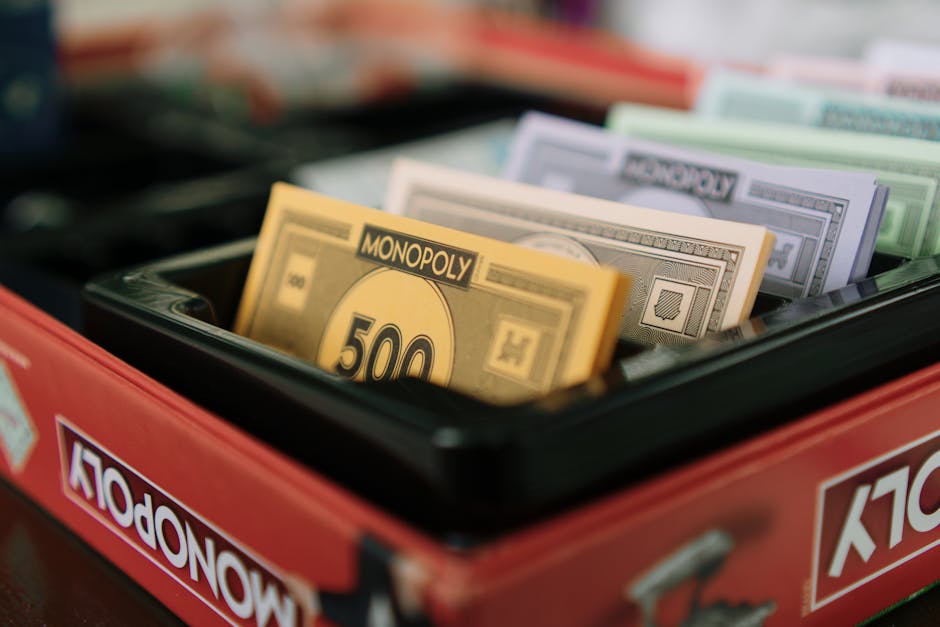
Use sturdy glassware or cans that are easy to place securely, and avoid crowding the table with bottles, snacks, and personal items. Put napkins where people can grab them before they need them. If a game uses cards, ask everyone to keep greasy snacks off the play surface and provide a separate snack spot. This is not preciousness; it is the difference between a playable deck and a deck that feels like it spent halftime in a fryer.
For a larger gathering, make the cooler by the back door the refill point and bring only a few drinks into the main room at a time. That reduces traffic and helps keep loose cans from collecting beside the board. If you’re serving a variety of beers, label the cooler sections or use a small menu. Painter’s tape is not just for bins; it is a dependable low-tech labeling system.
What to Ask Before You Buy
The table’s usefulness depends on the details of the specific model and how you plan to use it. Before placing an order, ask Bandpass Design about the current Dresden specifications and options. In particular, verify the interior vault dimensions against your largest regular games, the table’s overall footprint, leaf handling and storage, finish care, and what accessories are included or optional.
Measure the room with chairs pulled out, not just the empty corner where the table will sit. Think about walking paths, the distance to the cooler, and where the leaves will go when removed. If your main game has a large board or a lot of player mats, measure that setup too. “It looks roomy” is not a measurement—ask me how I know.
Finally, clarify delivery, assembly, lead times, and the exact materials in your chosen configuration. These are practical purchasing questions, not signs that you’re being difficult. A table is a major piece of furniture, and a little homework beats finding out after delivery that your preferred storage spot is blocked by a radiator.
So, What Does The Dresden Actually Do?
The Dresden is intended to combine a dining-table role with a dedicated recessed game surface, with detachable leaves offering a way to cover that surface and return the table to more general use. The recessed vault can help organize play and make it easier to keep a game set up between sessions. The leaves can make the table more adaptable to everyday life. And the furniture-forward design can suit people who want their game space to feel like part of the home rather than a folding table brought out on game night.
It won’t replace sensible hosting. You still need a plan for drinks, snacks, game selection, and where guests should gather. You still need to stop people refilling over the board. And you still need a clear end time before the evening takes on a life of its own.
But if your dining room is already the natural meeting place—and your friends are equally happy with a game, a beer, and a football game on in the background—a table like this may make that room work harder. That’s the useful question to ask: not whether a dedicated game table is magical, but whether its vault-and-leaf setup solves a real problem in the way you host.
A Note on Unrelated “Turnstiles”
One quick name clarification for anyone researching online: Cloudflare Turnstile is a web security tool used to help distinguish human visitors from automated traffic. It is not a table feature or a board game accessory. If you encounter it while browsing a product site or filling out a form, that’s website security doing its job—not something built into The Dresden.
For my part, I’ll keep the plan simple: one room, coasters at every seat, a cooler by the back door, games chosen for the crowd, and a hard stop time decided before the first beer opens. The table can make the game easier to host. The rest is good company and a little painter’s tape.