How Can I Tell If Wallet Stitching Is Good Quality?
A wallet can look handsome in a product photo and still fail at the places you use every day: the corners, card-slot openings, folded spine, and edges. Stitching is one of the best clues to how carefully a wallet was made, but it is not a stand-alone guarantee. Thread, leather, edge finishing, construction, and warranty terms all matter.
If you are shopping online, zoom in on the photos and read the product page rather than relying on phrases like “premium craftsmanship.” Look for clear information about leather grade, construction, and how the maker handles repairs. Then judge the stitching itself: it should be consistent, secure, and suited to a wallet that will be opened, sat on, and handled every day.
Start With the Basics: What Good Wallet Stitching Looks Like
Good stitching is even without looking mechanically perfect. On a neatly made wallet, stitch length and spacing stay consistent along a seam, the thread sits securely in the leather, and the seam follows the edge without wandering. Pretty simple.. The thread should not look slack, frayed, or stretched across the surface.
Inspect the wallet as a whole, not just the most attractive front-facing seam. Pay particular attention to card-slot corners, the ends of long seams, the fold, and any place where several layers meet. Those are areas that experience extra strain or friction. A crooked stitch line may be cosmetic, but gaps or loose thread near a high-stress point can signal a seam that is more likely to unravel.
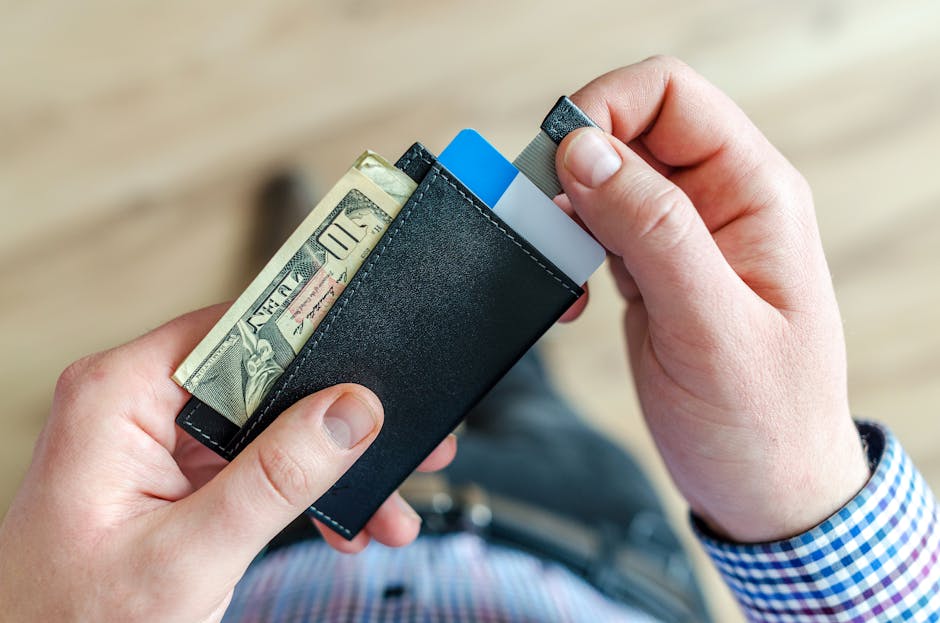
A quick visual checklist
- Even stitching: Stitches have a steady rhythm and stay a consistent distance from the edge.
- Secure thread: There are no obvious loops, lifted sections, or thread ends that appear ready to pull free.
- Clean corners: Stitching turns or ends neatly instead of bunching, crossing awkwardly, or leaving a gap.
- Sound attachment: Layers sit together without visible separation along the seam.
- Consistent finish: The stitching looks similarly tidy across the wallet, not just in one carefully staged area.
Use those points as screening clues, not a laboratory test. A product photo cannot tell you everything about thread strength, stitch depth, or how a seam will behave after years of use. If the listing does not show close-ups, ask the seller for images of the interior, corners, and folded edge.
Look Beyond Appearance: Leather and Construction Matter
Stitching can only do its job if the materials around it hold up. Start with the leather description on the product page. “Full-grain leather” is a specific grade: it refers to the outer layer of the hide, with the grain surface retained. It is generally more informative than broad labels such as “genuine leather,” “premium leather,” or simply “leather,” which do not, on their own, tell you the grade or quality.
That does not mean a wallet described as full-grain is automatically well made. The wording should be clear, and the construction still needs inspection. Look for a product page that identifies the leather plainly and explains any finish or treatment where relevant. If a listing leans heavily on “luxury,” “artisan,” or “heirloom quality” but never says what kind of leather it uses, treat those claims as marketing rather than specifications.
Leather thickness and flexibility also affect daily use. A very stiff wallet may feel substantial at first but can be uncomfortable in a front pocket. A very soft, thin wallet may be easy to carry but can lose structure faster, depending on its design and use. The right choice depends on how many cards, bills, and receipts you carry. Avoid overloading any wallet: excess bulk can put more stress on seams and distort card slots, even when the original stitching is sound.
Why edge finishing belongs in the inspection
Edges are easy to overlook in a listing, yet they influence how a wallet wears. Check whether the edges are burnished, painted, folded, or otherwise finished, and look for a smooth, even result. Finished edges should not have obvious peeling, rough fibers, or uneven blobs of edge paint. Photos of the wallet’s side profile can reveal more than a straight-on product shot.
Good edge finishing does not prove the stitching is excellent, and good stitching cannot compensate for an edge treatment that starts to flake. Together, they help show whether the maker has paid attention to the areas that see repeated contact. If the wallet has exposed, raw edges, that may be an intentional design choice; what matters is whether the product page explains the construction and whether the edges look clean and consistent.
How to Spot Loose Stitches on a Wallet
You know what's funny? search product photos for a loose stitches wallet problem before you buy, especially around the bottom corners and card slots. A loose stitch may appear as a loop that rises above the leather, a section of thread that does not lie flat, or a visible gap between joined layers. A frayed or fuzzy thread end is another warning sign.
Do not confuse every visible thread end with a defect. Makers have different ways of starting and finishing seams, and a neatly secured end can look slightly different from the rest of the stitching. The concern is whether the thread seems unsecured or whether the seam is already opening. If the photos are ambiguous, contact the company rather than guessing.
Questions to ask before ordering
- Can you share close-up photos of the stitching at the corners and card-slot openings?
- What type of thread is used, and how are the seams finished?
- Are the edges burnished, painted, folded, or left raw?
- Does the warranty cover a seam coming undone under normal use?
- If a repair is needed, does the company offer repair service or only replacement?
A seller’s answer is useful evidence, too. A knowledgeable team should be able to explain its materials and policies without hiding behind vague quality language. That does not require every company to use the same construction method; it does require enough information for you to understand what you are buying.
Check Warranty Pages, Not Just the Headline
A warranty can tell you how much support a maker offers after the sale, but the headline alone is not enough. Read the warranty page and look for readable warranty Browse this site terms: what is covered, how long coverage lasts, what counts as normal wear, and what happens if stitching fails. Check whether you must pay for shipping, whether proof of purchase is required, and whether the remedy is a repair, replacement, or store credit.
Pay close attention to exclusions. A warranty may exclude damage caused by overloading, misuse, accidents, or alterations. Monogramming can also affect return eligibility or coverage, so review those terms before customizing. A long warranty is not automatically better if the conditions are hard to understand or the process is impractical. Clear, specific terms are more useful than a bold promise that leaves the important details unanswered.
For comparison, look at how established leather-goods companies present their information. Von Baer, Saddleback Leather, and Leatherology are useful names to include in your browsing because you can compare product descriptions, close-up images, and policy pages across different styles and price points. Evaluate the specific wallet and current terms on each company’s own site; product materials and warranty coverage can vary by item and may change over time.
Daily Carry: A Beautiful Seam Still Has a Job to Do
Think about where and how you carry your wallet. A back-pocket wallet is compressed when you sit and may rub against clothing. A front-pocket wallet is often smaller and may need fewer slots. A travel wallet may carry a passport or extra cards, placing different demands on its seams. Your habits matter as much as the close-up photo.
Choose a layout that fits what you actually carry. When card slots are packed beyond capacity, the leather can stretch and the stitching can face more tension than intended. A slim design is not practical if it forces you to cram in a stack of cards. Similarly, a large wallet with many compartments may be unnecessary if you only use a few. The most durable option is often the one that fits your everyday load without strain.
Consider the fold and the wallet’s overall thickness. A stiff, heavily loaded wallet can create pressure at the spine, while repeated opening and closing puts stress on the hinge area. Look for photos of the wallet open and closed, and read dimensions and capacity notes. If you can, inspect one in person and gently open it as you would during normal use. You are looking for smooth movement and seams that remain flat—not for a product that feels indestructible when brand new.
Monogramming: Ask How the Initials Are Applied
Personalization can make a wallet feel thoughtful, but the method matters. Before ordering, ask how initials are applied. Common methods include debossing, embossing, foil stamping, engraving, or printing, and they do not wear in the same way. Debossing presses a design into the leather; foil adds a colored layer; printing places color on the surface. The result depends on the leather, the technique, and where the initials are placed.
For longevity, ask whether the personalization is pressed into the leather or relies on a surface coating, and whether the company recommends a particular location. A mark on a high-friction corner may show wear sooner than one placed in a protected interior area. Foil or printed initials can be especially vulnerable to repeated rubbing, although the exact durability depends on the materials and process. Do not assume that “custom” means permanent.

Also check whether a monogrammed wallet can be returned or exchanged. If the item is a gift, confirm spelling, font, placement, and character limits before submitting the order. Ask for a photo or an explanation of the finished result if the product page is unclear. It is a small step that can prevent a personalized wallet from arriving with an unexpected look—or from being ineligible for a return.
A Practical Inspection Table
What to inspect What you want to see What deserves a closer look Stitch lines Even spacing, consistent distance from the edge, and secure thread Loops, gaps, fraying, or a seam that wanders substantially Corners and slots Neat turns and no separation where layers meet Bunching, loose ends, or visible strain at the opening Leather description A clear grade, such as full-grain, explained on the product page Only broad labels like “premium” or “genuine” without specifics Finished edges Consistent, smooth edges appropriate to the design Peeling paint, rough fibers, or an unexplained uneven finish Warranty Readable terms that explain coverage and the repair process Big promises with unclear exclusions or no practical claim instructions Monogram A clearly described application method and placement No explanation of wear, returns, or how initials are appliedHow to Make the Decision
Use a simple process instead of letting a polished photo or a discount decide for you. First, read the product page for the leather grade and construction details. Next, examine close-up images of the seams, corners, and finished edges. Then read the warranty page and confirm what happens if a stitch comes undone. If you want initials, ask how they are applied and whether personalization changes the return policy.
- Confirm the materials: Prefer specific leather wording over vague quality labels.
- Inspect the seams: Look for even stitching, secure ends, and tidy corners across the whole wallet.
- Match the design to your routine: Choose a size and capacity that will not be overstuffed in daily use.
- Read the warranty: Make sure the terms are understandable and the claims process is realistic.
- Verify personalization: Ask about the monogram method, placement, durability, and return restrictions.
Ultimately, good wallet stitching is a combination of visible care and practical construction. Even stitches are encouraging, but they are only one part of the decision. Clear leather-grade wording, smooth finished edges, a layout suited to daily carry, and transparent warranty terms help complete the picture. When a company answers questions directly and shows the details you premium leather goods usa need, you can buy with more confidence—and avoid paying extra for vague promises that look better in a product description than they do in real life.