Is It Normal for My Feet to Feel Bruised After a Night in Heels?
After an elegant evening and a few hours spent confidently strutting in sleek heels, you might find yourself wincing at the sensation in your feet the next day. That dull, bruised feeling—especially under the balls of your feet—is common, but is it something to worry about? Understanding the mechanics behind forefoot overload, toe box compression, and other biomechanical effects can help decode why your feet feel this way and what you can do about it.
Why Do My Feet Feel Bruised After Wearing Heels?
To start, imagine stepping out of your car, shifting your weight from heel to toe, standing on tippy toes, or navigating a slick hallway. If your feet are complaining by the end of it, particularly with that deep soreness or bruised sensation, there are several biomechanical culprits at play.
Forefoot Load and Metatarsal Pain
Wearing heels shifts your body weight forward, dramatically increasing pressure on the balls of your feet. This is known as forefoot overload. The metatarsal heads—the rounded ends of the long bones connecting your toes to the rest of your foot—bear a disproportionate load, which can cause inflammation, soreness, and that distinct bruised feeling.
When you spend hours in heels, especially those with narrow toe boxes, your metatarsals are not only compressed vertically but also squeezed horizontally. This compression not only irritates nerves but can cause or worsen conditions like metatarsalgia and nerve entrapments, such as Morton's neuroma.
Toe Box Compression and Nerve Irritation
A cramped toe box is like wearing a too-tight glove—your toes become squished together and may even overlap. This compressive force impairs circulation and applies pressure to digital nerves, resulting in tingling, numbness, or sharp pain. Longterm, this can contribute to hammertoes and bunions, altering the natural alignment of your feet.
Calf Shortening and Reduced Ankle Range of Motion
High heels keep your ankle in a pointed position, shortening your calf muscles and Achilles tendon over time. This chronic shortening can limit your ankle's range of motion, making flat shoes feel uncomfortable or even painful. It also impacts the mechanics of your gait, forcing your body to compensate in ways that may increase risk of injury.
Posture Changes and Lower Back Stiffness
Heels alter how your body balances and aligns, pushing your center of gravity forward. To stay upright, your lumbar spine compensates by arching excessively, which can lead to muscle fatigue and stiffness in the lower back.
How to Relieve Heel-Related Soreness and Bruising
It’s tempting to chalk up foot discomfort after wearing heels as “just part of the deal,” but there are targeted ways to soothe your feet and promote recovery.
1. Use a Tennis Ball to Massage the Ball of Your Foot
I keep a tennis ball tucked in my drawer for moments exactly like these. Rolling your foot softly over a tennis ball helps to:
- Loosen tight plantar fascia and surrounding muscle tissue
- Promote blood flow to reduce swelling and soreness
- Provide targeted relief to the most painful hotspots related to forefoot overload
Spend 2-3 minutes each foot gently rolling from the heel to the ball and back. This simple tool helps break up adhesions and fosters recovery.
2. Apply Cold Therapy Using a Chilled Water Bottle
Inflammation is part of the soreness equation. Keeping a chilled water bottle in the freezer and gently rolling your foot over it can:
- Reduce swelling and inflammation
- Calm aching nerves irritated by toe box compression
- Provide a refreshing massage effect
The cold acts as a natural analgesic, offsetting that bruised feeling without side effects.
3. Gently Stretch Your Calves and Ankles—But Don’t Ignore the Soleus Muscle
Many heel-related discomforts stem from tight calves and restricted ankle motion. While stretching the gastrocnemius (the larger calf muscle) is common advice, overlooking the soleus (which lies underneath and is active during bent-knee positions) reduces effectiveness.
- Gastrocnemius Stretch: Stand facing a wall, legs straight, and lean forward.
- Soleus Stretch: Repeat the same, but with your knees bent slightly.
Hold each stretch for at least 30 seconds and repeat 2-3 times daily to restore ankle flexibility.
4. Use Arnica for Soreness
Arnica is a trusted botanical known for its soothing, anti-inflammatory properties. Applying a balm or cream with arnica after your foot-rolling and cold therapy can help reduce visible bruising and deep tissue soreness.
If you want to step up your recovery game, try Joy Organics 1000mg CBD Cream, which combines arnica with broad-spectrum CBD for enhanced soothing effects. Joy Organics has been a trustworthy source for high-quality, transparent CBD products that reassure with clear potency labeling—something I personally value amidst the sea of vague wellness claims.
How to Protect Your Feet Before and During Heels Wear
Of course, prevention is always better than cure. Here’s what I recommend based on more than a decade fitting heels for weddings, corporate events, and glitzy soirées.
Choose the Right Shoe for Your Foot Shape
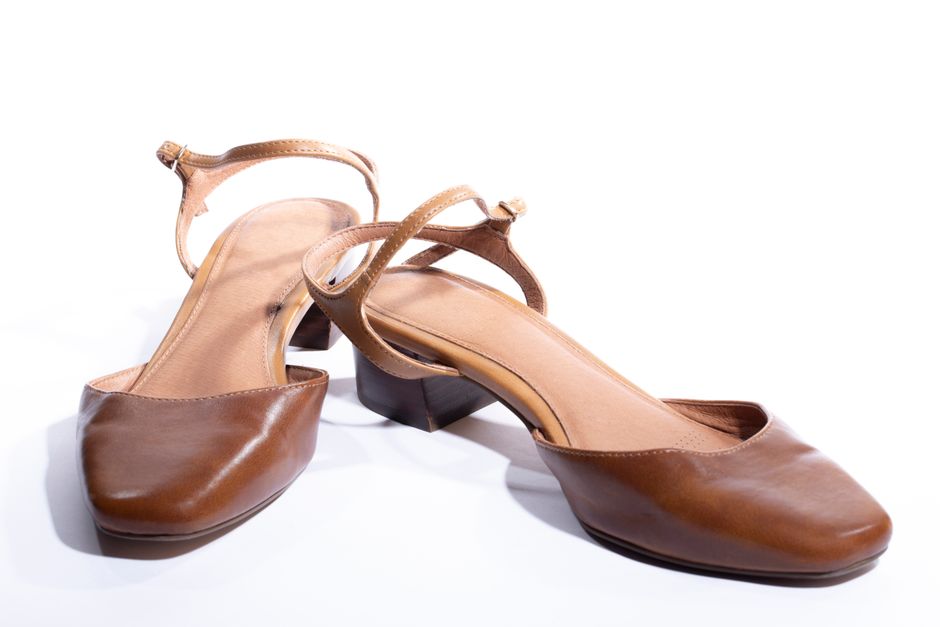
The best way to minimize forefoot overload is to wear a shoe with plenty of room in the toe box. Avoid styles with pointed ends that crush your toes together. Round or almond-shaped toe boxes distribute pressure more evenly and reduce nerve irritation.
Limit Heel Height and Duration
Consider wearing heels no taller than two inches for extended wear. The higher the heel, the greater the forward body tilt and forefoot pressure. If you’re at an event, bring flats or cushioned sandals to switch into periodically.
Use Insoles or Cushions Designed for Forefoot Support
Metatarsal pads and cushioned insoles lovelolablog help redistribute pressure away from the balls of your feet, making it easier to wear heels longer without pain.
Practice Foot Mobility Exercises Daily
Simple foot stretches, ankle circles, and toe-spread exercises counteract the stiffening effects of heels and improve circulation.
Summary Table: Causes and Remedies for Bruised Feet After Heels
Cause Why It Happens Remedy Forefoot Overload Increased weight on metatarsal heads from tilted foot position Use cushioned insoles, limit heel height; massage ball of foot (tennis ball) Toe Box Compression Narrow shoe squeezes toes, irritating nerves and reducing circulation Choose wider toe boxes; apply cold therapy (chilled water bottle); arnica cream Calf Shortening Heels keep foot plantarflexed, tightening calf muscles and Achilles tendon Perform soleus and gastrocnemius stretches daily; foot mobility exercises Posture Changes Altered center of gravity strains lower back musculature Practice mindful posture awareness; alternate with flats to reduce spinal strainFinal Thoughts
Feeling like your feet are bruised after a night in heels is sadly a normal experience for many, but it’s not something to accept without care. By understanding the why behind forefoot overload, nerve irritation, and calf shortening, you can adopt smart strategies to soothe soreness and protect your feet going forward.
Keep a tennis ball handy for rolling out tight spots, use a chilled water bottle for inflammation relief, and consider effective topical aids like Joy Organics 1000mg CBD Cream with arnica for natural soothing power. And remember, the best-laid heel plans start with proper fit, mindful wear duration, and deliberate post-wear footcare.

With a little TLC, your feet can stay happy and healthy hours after the heels come off—ready for wherever life’s next party takes you.