Should I Label Boxes by Room for Local Movers?
Moving day organization can be a stressful puzzle, especially when you’re relying on local movers to get your belongings from A to B safely and efficiently. One question I hear frequently—whether from clients during my moving crew days or readers on home service forums—is: should I label boxes by room for local movers? It’s a simple step that can influence unloading efficiency, the overall pace of your move, and even how carefully your items are handled.
In this detailed guide, we’ll explore the nuts and bolts of local moves, what local movers handle on the job, standard services like furniture protection and assembly, how hourly pricing commonly works, and ultimately, whether or not clear box labeling benefits your move day coordination. We’ll also weave in insights from trusted sources like OCNJ Daily, This Old House, and reviews from Thumbtack to help you make an informed decision.
What Counts as a Local Move?
Before we talk about labeling boxes, it’s important to clarify what’s considered Hop over to this website a local move. Definitions vary slightly, but most reputable moving services and industry standards classify a local move as:
- A relocation within a radius of approximately 50 to 100 miles
- Typically moves that can be completed within the same day or over a weekend
- Moves that usually do not require overnight trucking or long-distance scheduling
OCNJ Daily highlights that local moves often include shifts within the same metropolitan area or between neighboring towns—think moving from Jersey City to Newark, or Philadelphia to Cherry Hill. Because the distance and logistics are relatively straightforward, local movers often charge hourly rates and provide a more flexible schedule compared to long-distance movers.
What Do Local Movers Do?
Understanding the scope of services provided by local movers helps clear up confusion about why labeling boxes might matter:
- Packing: Some local movers offer full packing services; others may provide packing materials and labor only if requested.
- Loading: Loading your belongings onto the moving truck carefully to prevent damage during transit.
- Driving: Transporting your household goods safely to the new location, typically within the same day.
- Unloading: Bringing items into the new home and placing them as directed.
Additionally, many local movers provide:
- Furniture protection: Wrapping couches, tables, and other pieces to avoid scratches or dents during the move.
- Basic assembly and disassembly: Taking apart beds, desks, or shelves and reassembling them at the new location.
This Old House explains that protecting furniture and handling basic assembly are key to avoiding damage—both to your possessions and your new home. This service also ties into how boxes and items are organized. If movers have clear instructions and boxes labeled properly, it can reduce confusion and mistakes.
Hourly Pricing and What Changes the Rate
Local movers typically charge by the hour rather than a flat fee per mile, unlike long-distance movers. Here’s what influences the hourly rate:
Factor Impact on Rate Number of movers required More movers mean higher hourly charges but faster work Stairs, elevator restrictions, or long carries Additional fees or time needed increase overall hourly total Volume and weight of belongings More items take longer to load/unload, raising time spent Requested services (packing, assembly, furniture protection) Added tasks lengthen the move and may carry extra costsAccording to Thumbtack reviews, transparency in pricing is crucial. You want movers who provide real-time estimates and clarify how these factors affect your final cost. An unanticipated surcharge after the move often stems from overlooked elements like multiple flights of stairs or handling bulky furniture.
Why Label Boxes by Room?
So, why go through the trouble of labeling boxes by room if you have professional movers? The answer boils down to two big advantages:
1. Helps Place Boxes in Right Room without Confusion
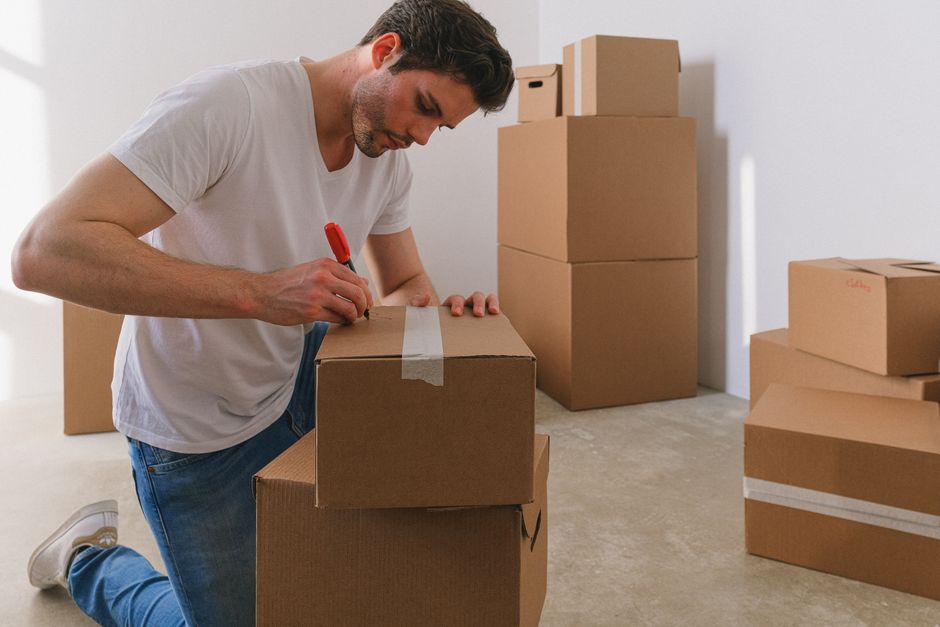
Movers appreciate clear instructions to unload quickly and correctly. Without labels, boxes may get stacked in the wrong rooms, frustrating homeowners who then have to sort everything out themselves. Labels like Kitchen, Master Bedroom, Bathroom, and so forth guide movers to drop boxes directly where they belong. This simple step saves time and reduces the risk that fragile or essential items get misplaced.
2. Enhances Move Day Organization and Unloading Efficiency
Moving is a logistical race against time, especially if you’re paying hourly. Efficient unloading by placing boxes where they belong accelerates the unpacking process and cuts down on double handling. This flat rate movers vs hourly efficiency often results in fewer hours spent on the clock—and therefore less money spent.
OCNJ Daily stresses that home services experts recommend labeling boxes room-by-room as an industry best practice. It seamlessly syncs with movers’ process flow, allowing them to prioritize heavy or bulky items differently from smaller, fragile boxes.

How to Label Boxes Effectively
Here are some quick tips for labeling your boxes to maximize the benefits on move day:
- Use a bold, permanent marker that’s easy to read in low light or on white/colored boxes
- Write the room name clearly on multiple sides of each box for visibility
- Add a brief content note if desired, e.g., “kitchen utensils – fragile” or “bedroom clothes”
- Color-code boxes by room, using colored tape or labels, to speed visual recognition
- Make a master list of each box number with its contents and room to keep track
When You Might Skip Labeling by Room
There are exceptions. If you hire full-service movers who handle everything from packing through unpacking, including precise placement and setup, the need for room labeling may lessen. Some crews prefer to unpack themselves or follow your verbal instructions, reducing the urgency of labeled boxes.
However, if you are doing some or all packing yourself and want to direct the moving day flow, labeling boxes by room remains one of the simplest and most effective ways to streamline the process.
Final Verdict: Is Labeling Boxes By Room Worth It for Local Moves?
In my experience as a former moving crew lead, the short answer is yes. Labeling boxes by room benefits everyone involved:
- Homeowners: Enjoy better placement and less post-move juggling
- Movers: Can operate faster and with clearer instructions
- The Move: Runs smoother, often finishing sooner and with fewer issues
Since hourly pricing is common for local moves, shaving any extra time off unloading can save you money. Pair clear labels with a thorough conversation with your movers about your home layout, door sizes, stairs, and any special items, and you’ll optimize your move day organization.
Remember to check reviews on Thumbtack or consult expert advice from This Old House when selecting your mover—ensuring they provide transparent estimates and confirm their insurance to avoid headaches later. And as always, make sure key agreements, especially pricing and services, are in writing.
Additional Resources to Explore
- OCNJ Daily - Moving Tips and Local Services
- This Old House - Home Moving and Renovation Guides
- Thumbtack - Find and Review Local Movers
With a little preparation and clear labeling, your local move can feel less like a hassle and more like a well-choreographed process. So pack smart, label clearly, and let your local movers work their magic!