What Is the Toe Box and Why Does It Cause Pain?
Picture this: you’ve just stepped out of your car after a long day wearing your favorite heels. As you transition from the car door to the building entrance, you notice an uncomfortable wobble in your step. Not just from fatigue, but something more—an ache in your forefoot, that persistent tingling between Additional reading your toes, and an odd stiffness creeping up your lower back. If this sounds familiar, the culprit might be hiding in plain sight: your shoe’s toe box.
Understanding the Toe Box: The 'Why' Behind Footwear Fit
The toe box is simply the front part of your shoe where your toes reside. It might seem like a small design element, but its shape and size are crucial to foot comfort and function. When the toe box is compressed—that is, too narrow or tight—it forces your toes to be pushed together unnaturally. This toe box compression can lead to discomfort, pain, and even long-term foot issues.
Why does this happen? Think of your toes as individual "pillars" that help distribute your body weight evenly across your feet. When those pillars are squeezed, the load shifts disproportionately to specific areas of the foot, primarily the forefoot, which includes the metatarsal bones.
Forefoot Load and Metatarsal Pain Caused by Toe Box Compression
When your toes are pushed together tightly, the natural space between the metatarsal heads narrows. Let’s break down what happens next:
- Increased pressure under the metatarsal heads: This is commonly experienced as ball-of-foot pain, often referred to as metatarsalgia.
- Impaired shock absorption: The foot can’t distribute impact forces effectively, leading to strain on the tissues beneath the foot.
- Nerve irritation: Pressure between the toes can compress nerves, causing tingling, burning, or numbness—a condition sometimes called Morton's neuroma.
High heels exacerbate this situation by shifting your body weight further forward onto the forefoot. The combination of forefoot load and tight toe box compression often creates a perfect storm for foot pain.
Everyday Moment: The Car-to-Door Wobble
The reason why many people notice foot pain after walking just a short distance in heels is that the foot has adapted to an unnatural position during those steps. The "car-to-door wobble"—that unsteady, cautious step from your car to your destination—is a subtle sign your body is compensating for discomfort caused by toes pushed together and nerve pressure between toes.
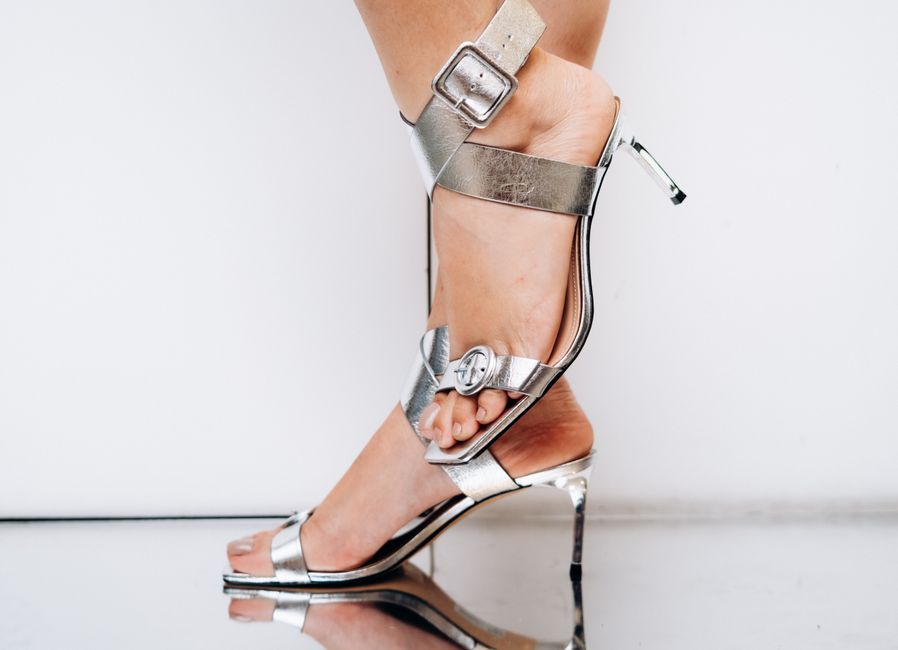
Calf Shortening and Ankle Range of Motion Reduction
But foot pain isn’t the end of the story. Wearing tight, narrow shoes with a compressed toe box and elevated heel leads to another problem: calf muscle shortening. Why?
- High heels place the foot in a plantar-flexed position (toes pointed down).
- This reduces the stretch on the calf muscles, especially the soleus muscle, over time.
- Shortened calf muscles limit ankle dorsiflexion—the ability to bend your foot upwards toward your shin.
Limited ankle movement affects your gait and posture, forcing your body to compensate in other areas.
The Soleus Muscle: The Overlooked Player
Many stretching routines focus on the large calf best stretches after heels muscle, the gastrocnemius, but neglect the soleus muscle, which is critical for ankle mobility and shock absorption during walking. A tight soleus means your ankle’s range of motion is compromised, increasing stress on the knees, hips, and lower back.
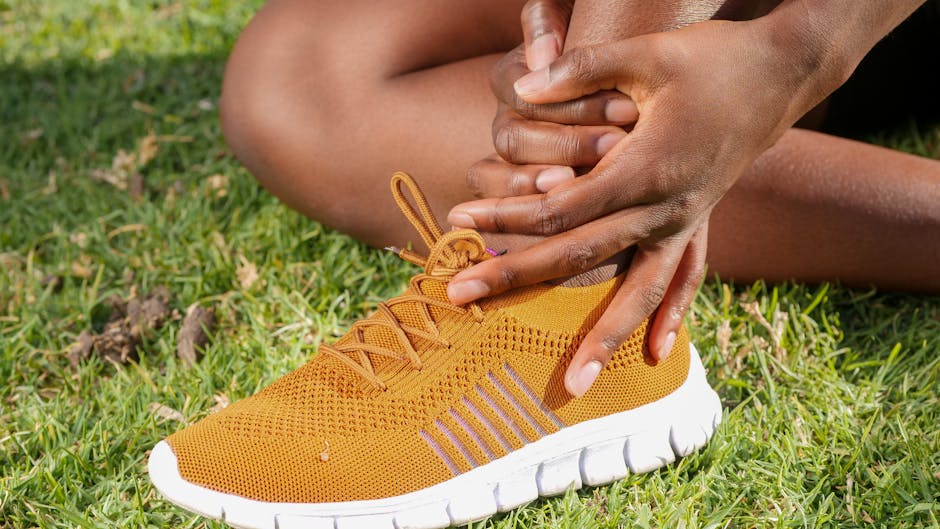
Posture Changes and Lower Back Stiffness Linked to Toe Box Compression
When your foot mechanics are disrupted, the effects ripple upward:
- Altered gait: To avoid pain from compressed toes and metatarsal discomfort, you may change how you walk, often unconsciously.
- Pelvic tilt: Compensations in foot positioning change the alignment of your pelvis and spine.
- Lower back stiffness: Over time, poor posture and altered biomechanics can lead to muscle tightness, fatigue, and lower back pain.
- Balance issues: The "car-to-door wobble" is also a sign of diminished stability due to discomfort and these postural alterations.
Simple Tools to Help Relieve Pain from Toe Box Compression
If you’re experiencing discomfort from a tight toe box, there are a couple of handy tools you might not expect to have close at hand that can bring relief:
- Tennis Ball: Rolling your foot over a tennis ball for 2-3 minutes daily helps massage the plantar fascia and improve circulation. It also aids in loosening tight muscles and fascia around the forefoot and arch.
- Chilled Water Bottle: Rolling a chilled water bottle under your foot offers a soothing combination of massage and cold therapy, which helps reduce inflammation caused by nerve pressure between the toes.
These tools are simple, affordable, and highly effective—much better than vague wellness tips promising relief without tangible methods.
Naturally Supporting Recovery: Joy Organics 1000mg CBD Cream
Beyond physical techniques, topical care products like Joy Organics 1000mg CBD Cream can be incredibly helpful. This product contains a potent, transparent dosage of CBD along with soothing natural ingredients.
Why is this important? Targeted application of CBD cream may help calm inflammation and nerve irritation caused by toe box compression and carrying excessive forefoot load. Unlike many vague wellness creams, Joy Organics provides clear potency information, allowing you to know exactly what you’re using.
How to Use CBD Cream for Toe Box-Related Pain
- Apply a small amount of Joy Organics 1000mg CBD Cream to the forefoot area, focusing on sides of the toes and the ball of the foot.
- Gently massage it into the skin, promoting absorption and increasing local blood flow.
- Repeat 1-2 times daily, especially after periods of wearing tight shoes or heels.
Preventing Toe Box Compression Pain: Tips for Better Footwear Choices
Prevention is best, so consider:
- Choose shoes with a wide, roomy toe box: Look for footwear that allows your toes to spread naturally without being squeezed.
- Limit high heel use: Stick to heels with moderate elevation and avoid prolonged wear to reduce forefoot pressure.
- Mind your foot shape: Avoid shoes that narrow sharply at the front, especially if you have wider forefeet or bunions.
- Include calf stretches: Don’t forget to stretch both gastrocnemius and soleus muscles to maintain ankle mobility.
- Implement foot rolling exercises regularly: Use a tennis ball or chilled water bottle for foot self-massage.
Summary Table: Toe Box Compression Pain Causes and Solutions
Issue Cause Effect Solution Toe Box Compression Narrow toe boxes forcing toes together Nerve pressure, toes pushed together, tingling Choose shoes with wider toe boxes Forefoot Load in Heels Higher heel shifts weight forward Metatarsal pain, ball-of-foot discomfort Limit heel height, use padded insoles Calf Muscle Shortening Plantar flexion from heel wear Reduced ankle range of motion Stretching soleus and gastroc muscles Posture Changes Altered gait due to foot pain Lower back stiffness, balance issues Massage, stretching, proper footwearFinal Thoughts
The next time you notice that foot ache or the subtle wobble stepping from the car to a building entrance, pay close attention to your shoe’s toe box. Understanding that a narrow, tight space can cause toe box compression, nerve pressure between toes, and a cascade of lower body discomfort helps you take better care of your feet and overall posture.
Incorporate simple tools like a tennis ball and chilled water bottle for foot massage, apply quality topical relief such as Joy Organics 1000mg CBD Cream, and make proactive footwear choices—not just seeking relief but preventing pain altogether.
Remember: your feet support your entire body. They deserve a proper home inside well-fitted shoes with ample toe room.